
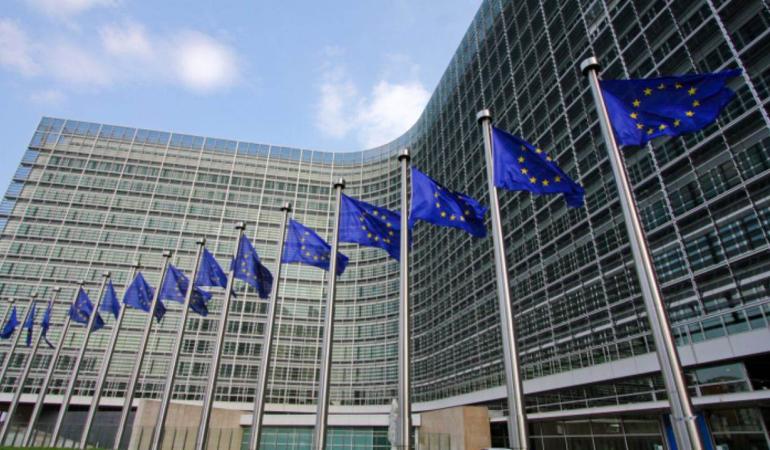
In December 2025, the European Commission presented Part I of the EU Biotech Act, a new legislative proposal aimed at stimulating innovation in the biotechnology sector and strengthening biosecurity in Europe. The proposal includes various measures to reduce the risk of misuse of biotechnology and to enhance preparedness against biological threats.
The Biotech Act (https://www.bureaubiosecurity.nl/nieuws/eu-stelt-biotech-act-voor-innovatie-stimuleren-en-biosecurity-waarborgen) requires suppliers of sensitive biotechnological materials, such as synthetic DNA and pathogen components, to verify that buyers have a legitimate purpose for their purchase. Biotechnology companies that supply DNA and similar products must also screen their products for regulated or high‑risk genetic sequences. To ensure effective and uniform screening, central European lists and guidelines will be developed.
If a suspicious order is received or a high‑risk sequence is detected, there is an immediate obligation to report this to both the national authorities and a central EU contact point, enabling a rapid response to potential threats. In addition, the Biotech Act calls on companies and public authorities to invest in training and awareness‑raising programmes so that staff can better recognise biosecurity risks and respond appropriately. The proposal also aims to harmonise measures within the EU, ensuring consistent biosecurity standards and strengthening supervision and enforcement across Europe.
On 13 February, the Dutch government published its assessment of the proposal in a so‑called BNC fiche (in Dutch; https://www.tweedekamer.nl/kamerstukken/brieven_regering/detail?id=2026Z03284&did=2026D07293). The government welcomes the objectives and approach of the EU Biotech Act, which aims to strengthen biosafety, and biosecurity in particular, by creating a minimum framework that Member States must meet in order to manage cross‑border biosecurity risks effectively. Each country will have to designate at least one competent authority responsible for supervising and enforcing the biosecurity obligations under the Act, receiving and assessing reports of suspicious transactions, and coordinating with EU institutions and other Member States.
The Biotech Act I makes biosafety and biosecurity legally explicit and enforceable, creates mechanisms for monitoring and reporting, and helps ensure that biosafety‑related risks and misuse can be managed more effectively within the EU. The academic sector is also expected to place greater emphasis on awareness and training, especially in the areas of biosafety and dual‑use research.
On 26 March, the Dutch House of Representatives submitted additional questions regarding the EU Biotech Act (in Dutch; https://www.tweedekamer.nl/kamerstukken/detail?id=2026Z03284&did=2026D14217). Although it is not yet clear what the practical implications of the EU Biotech Act will be for the Netherlands, it is certain that biosecurity will receive more attention and that existing regulations may need to be tightened in some areas.
The relevant ministries are engaged in intensive consultation and coordination in preparation for the negotiations in the EU Council working parties dealing with Biotech Act I (see also: https://www.europarl.europa.eu/RegData/etudes/BRIE/2025/772866/EPRS_BRI(2025)772866_EN.pdf). The Biosecurity Office is closely monitoring developments and will provide further information where necessary.
Part II of the Biotech Act will set out measures on biotechnology to promote sustainable prosperity and competitiveness. Biotech Act II is expected to be published in autumn 2026. A “Call for evidence” for Biotech Act II is currently open on the European Commission’s website until 10 June.