
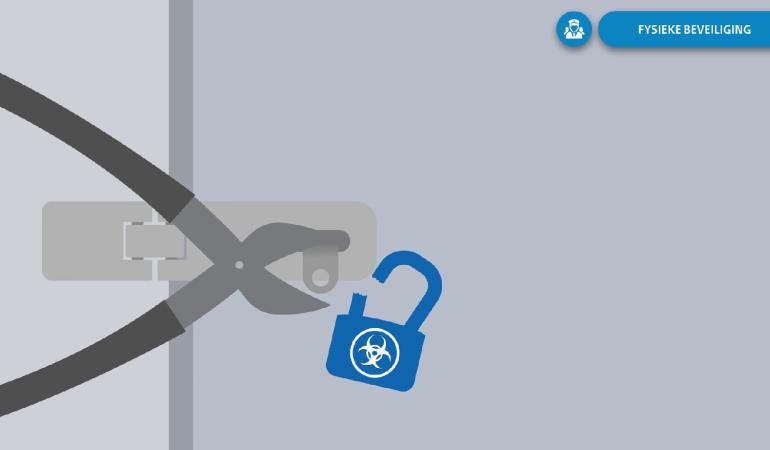
Recently, controversy has arisen in the research community after virus samples were found to be missing from a biosafety level 3 (BSL‑3) laboratory at the State University of Campinas (Unicamp) in Brazil. The motive behind the suspected theft is unclear. The case is raising questions worldwide about biological safety.
At the end of March, a Brazilian researcher was arrested on suspicion of stealing virus samples, including chikungunya, dengue and Epstein–Barr viruses. The samples were later recovered by the federal police at other locations within the university. According to the Brazilian health authority, the recovered samples do not pose a risk to public health.
The theft raises questions about biosecurity procedures in BSL‑3 laboratories, which are subject to strict access control and safety measures designed to keep potentially dangerous pathogens secure. The Brazilian virology community reacted with shock: “No sample should ever leave a BSL‑3 lab without authorisation,” virologist Paulo Sanches told Nature. Incidents like this are considered extremely rare, but they highlight the importance of robust oversight and reporting systems.
Although the exact list of missing viruses has not been made public, virologist Maurício Nogueira notes that, under Brazilian regulations, the viruses in question are classified as posing only a moderate risk and that vaccines or treatments are available. However, pathogen classification differs between countries, underscoring the need for international alignment. For example, chikungunya is endemic in Brazil, but the virus is listed on the EU Dual‑Use Export Control List.
The Brazilian Society for Virology emphasised that existing biosecurity management systems proved effective: the samples were quickly traced, contained, and the appropriate steps were taken. At the same time, there is concern about a lack of transparency and the possible impact on public trust in scientific institutions, particularly now that Brazil is working on the construction of its first BSL‑4 laboratory.